Peak Thermal Load Reduction & Management Strategies
Technology & Market Assessment
Client: California Utility
Building Use: NR New/Existing
Year Completed: 2025
Goals: Peak Load Reduction, Title 24 C&S
Category: Codes & Standards, Technology Research, Efficiency Program Support
Project Overview
A California utility’s Code Readiness Program commissioned a Phase 1 technology and market assessment to identify strategies for reducing and managing building peak electric demand through California’s Title 24, Part 6 Building Energy Efficiency Standards. The study addressed a key challenge in building decarbonization: managing coincident peak electric demand during summer afternoons and winter mornings as the building stock transitions to all-electric HVAC. The research covered both thermal load reduction strategies (high-performance building envelopes) and peak thermal load management strategies (thermal energy storage technologies), with findings intended to feed directly into future Title 24 code cycles and a subsequent Phase 2 energy modeling analysis.
Our Role
A2 Efficiency served as Technical Lead for the project team. Our contributions included:
Led the technical research, literature review, and data collection across thermal envelope, HVAC controls, and thermal energy storage (TES) strategies.
Developed structured interview guides and conducted hour-long interviews with 21 subject matter experts across three categories: envelope designers and specialists, TES and controls technology specialists, and code and market stakeholders.
Authored the Phase 1 project report documenting seven peak load reduction and management strategies, their regulatory landscape, modeling barriers, market adoption challenges, and data gaps.
Developed specific code and standard enhancement recommendations for future Title 24 cycles, drawing on national model codes including ASHRAE 90.1, IECC, and state stretch codes.
Project Highlights
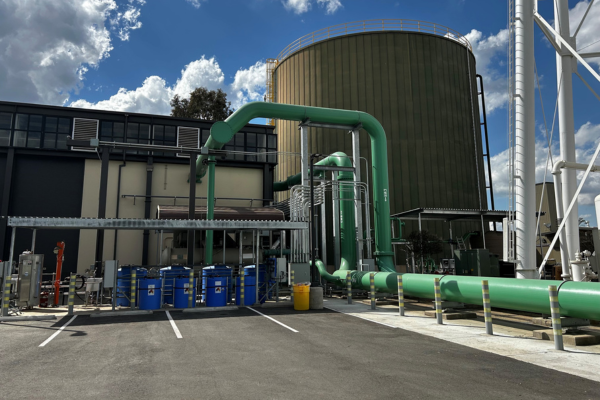
Identified 7 leading strategies across two categories: 4 thermal load reduction approaches (thermal bridging accounting, envelope backstop, air tightness requirements, advanced envelope performance) and 3 TES load management technologies (ambient, primary, and small-scale packaged TES).
Recommended implementing an envelope backstop for Title 24 performance compliance, a code mechanism already adopted in Massachusetts, Washington State, and Vancouver, to prevent low-performance envelopes being traded off against HVAC efficiency.