MEP BASIS OF DESIGN & PERFORMANCE CONSULTING
Building performance modeling that tells you what your systems need to do, before anyone is committed to doing it.
The MEP decisions that are hardest to change: system type, sizing logic, electrification path, envelope tradeoffs, get made at the earliest stages of design, often without rigorous analysis to back them up. We provide that analysis. The result is a technically grounded Basis of Design that reflects how the building will actually perform, not how it was assumed to perform when the RFP went out.
We are independent. We are not the contractor, the engineer of record, or the architect. That independence is the point.

WHAT THE MODELING ANSWERS
What systems does this building actually need?
Will this design perform the way the owner expects?
We run building loads models from actual occupancy schedules, envelope assumptions, climate data, and operational patterns. The output is a system sizing and selection rationale grounded in real loads, not rule-of-thumb estimates or compounding safety margins. This feeds directly into the MEP Basis of Design: a written document specific enough for contractors to bid against and owners to hold them to.
As a project evolves through design development, the gap between stated performance goals and proposed design decisions tends to widen quietly. We track that gap. Where a BOD exists but the design is drifting from it, we update the criteria, model the alternatives, review drawings at phase gates, and flag the tradeoffs before they become change orders. We serve as the owner's technical voice on MEP performance through the design phase.
Is all-electric feasible for this project, and what does it cost to get there?
All-electric design paths are not universally straightforward; service size, equipment selection, utility connection, and first-cost tradeoffs all vary by building type and location. We model the all-electric scenario alongside alternatives, quantify the tradeoffs in terms an owner can evaluate, and document the path forward in a form that survives contractor value-engineering conversations.
Does the proposed MEP design actually meet the intent?
When a contractor or engineer produces MEP drawings, those drawings reflect their interpretation of the requirements, which may or may not match the owner's original performance goals. We review the drawings against the BOD or OPR, check code compliance, assess coordination with the architectural and structural set, and produce a written comment log with specific, actionable items by discipline.
THE ANALYSIS
Building performance modeling is not a single tool or a single output. Depending on the project stage and question, our analysis may include:
Whole-building energy modeling
Annual simulation of energy use by end use: heating, cooling, lighting, plug loads, domestic hot water. Used to set EUI targets, validate system sizing, size rooftop PV arrays, and produce energy use estimates for grant applications and board approvals.
EnergyPlus • IES VE • OpenStudio
Daylighting and envelope analysis
Evaluation of glazing selection, shading strategy, and orientation relative to cooling loads and visual comfort. Well-designed envelopes reduce mechanical loads and simplify systems. This analysis identifies where envelope investment pays off most before the architect commits to a facade system.
Thermal comfort assessment
Zone-by-zone analysis of operative temperature, radiant asymmetry, and draft risk under peak and typical conditions. Used to identify comfort risks before system types are locked in and to support all-electric system selection where radiant or mixed-mode strategies are being considered.
Electrification and system comparison
Side-by-side modeling of all-electric and mixed-fuel scenarios. Outputs cover annual energy use, peak demand, utility connection requirements, estimated first cost differentials, and carbon trajectory. Structured to support an owner decision, not just an engineering preference.
WHAT THIS LOOKS LIKE IN PRACTICE
We are typically engaged when an architect needs MEP system direction before issuing a design-build RFP, when an owner needs a projected energy use figure for a grant application or board presentation, when a project manager needs independent technical review of competing MEP bids, or when a team is evaluating an all-electric design path and needs clear analysis of the tradeoffs before systems are specified.
The buildings vary: community centers, schools, institutional facilities, research buildings, corporate offices, campus renovations. The moment varies too. Some clients come to us with a blank program and no MEP engineer in sight. Others come mid-design with a BOD that needs sharpening. A few come with completed drawings and a question about whether the proposed systems hold up.
RECENT WORK
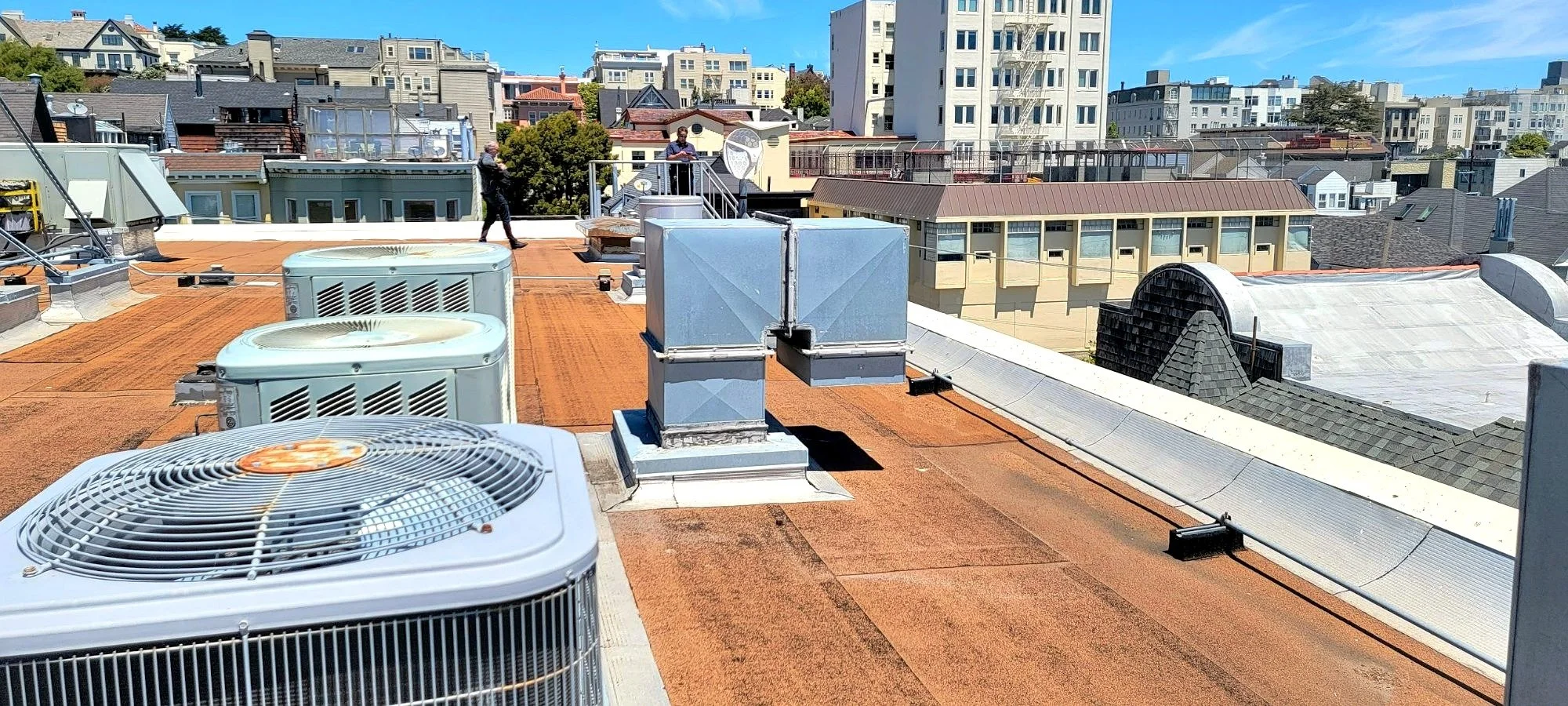
San Francisco, CA / K–12 Education / 14,000 SF across four sites / 2024
University High School Alterations
MEP Basis of Design across four campus locations for design-build delivery. Whole-building energy modeling, electrification planning, and Title 24 compliance pathway.
MEP BOD lead, with Ecotope / LMS Architects
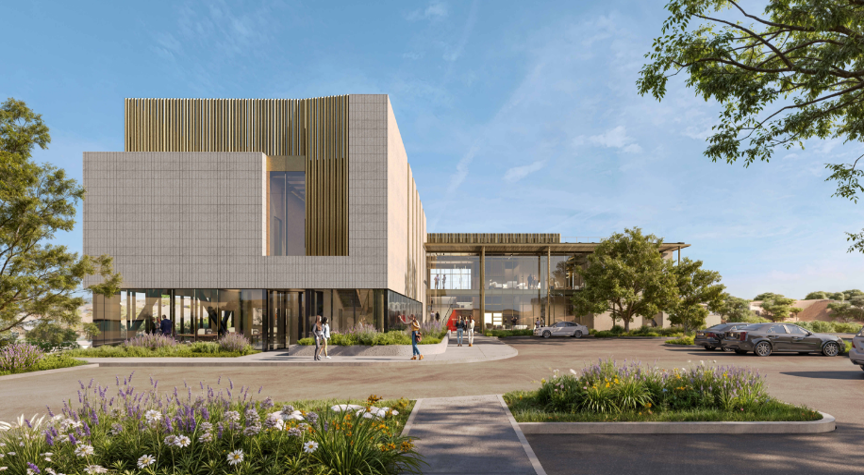
Menlo Park, CA / Federal Research Facility / 2025
SLAC Large Scale Collaboration Center
Energy modeling design consulting for a new all-electric collaboration center at the SLAC National Accelerator Laboratory. Analysis informed system selection and electrification strategy for a high-profile research building.
Energy modeling consulting / WRNS Studio
Stanford, CA / Higher Education / 7,000 GSF / 2026
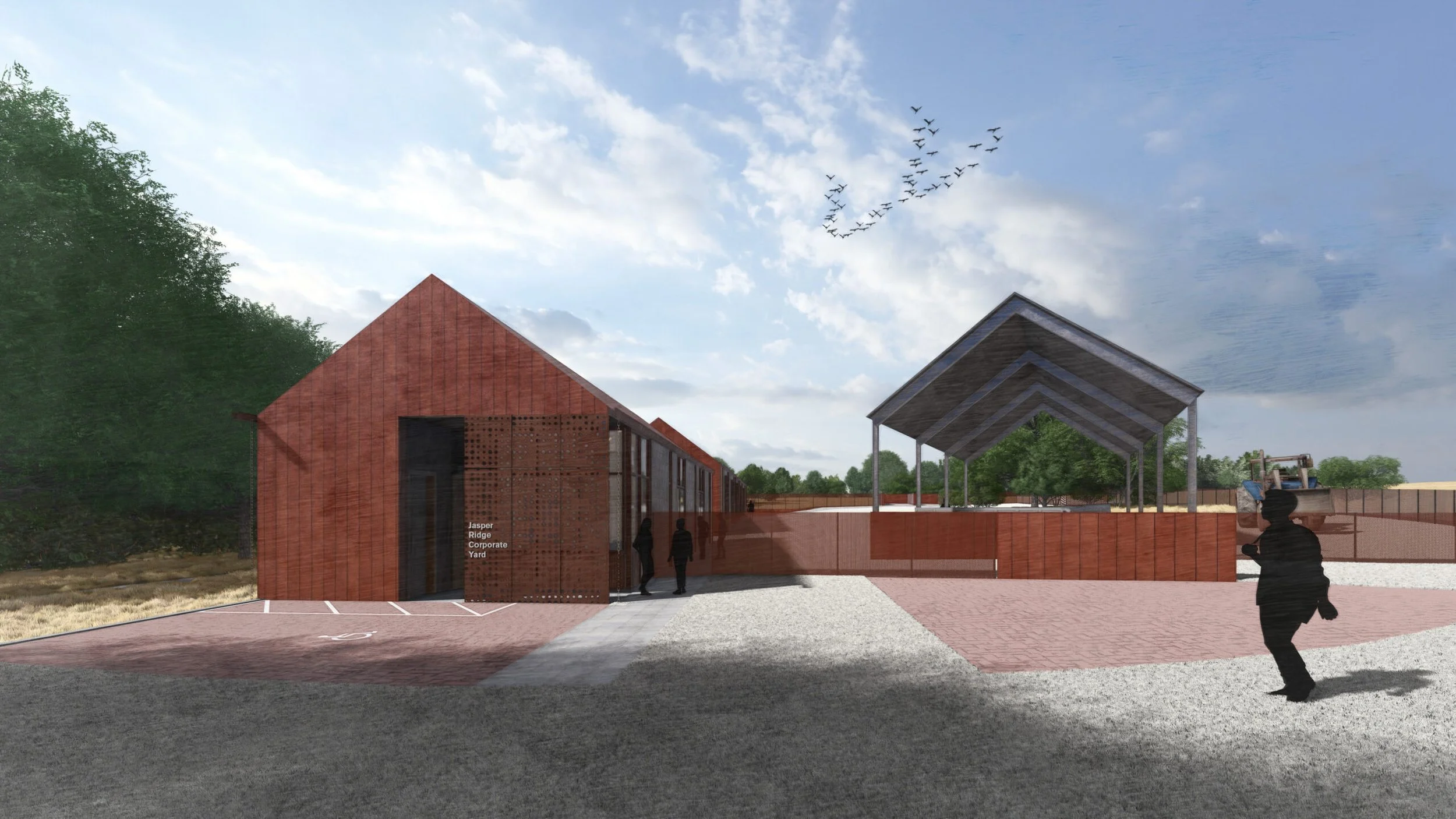
Jasper Ridge Biological Preserve Corporation Yard
Full MEP Basis of Design for a new permanent facility at Stanford's biological preserve. Energy modeling informed system selection for a remote site with limited operator capacity and strict ecological constraints.
MEP BOD, with Linkage Engineers and IDeAs Consulting / LMS Architects

Mountlake Terrace, WA / Corporate Office / 95,000 SF / 2022
High Performance Office Renovation
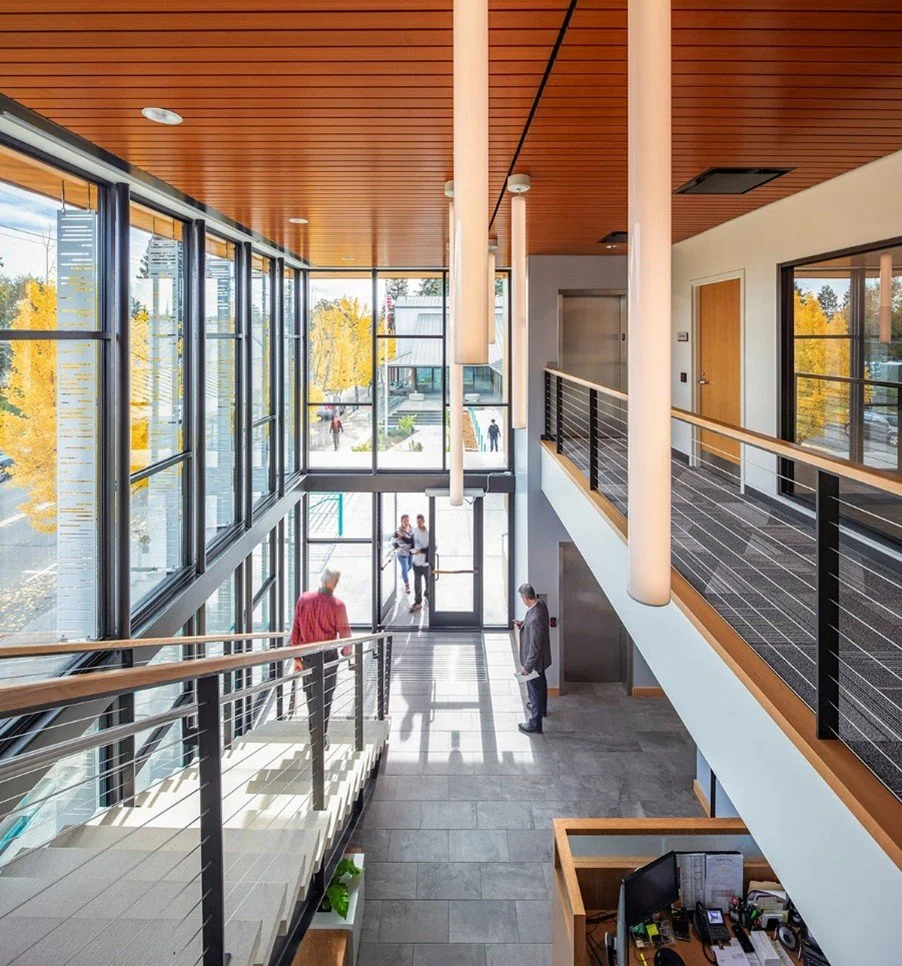
BOD update and design phase performance support for a full gut renovation. Energy modeling through design development, peer review at DD and CD phase gates, Washington Clean Building Act compliance. Full electrification, DOAS with active chilled beams.
Design phase performance support, with Ecotope / HOK
START A CONVERSATION
Most engagements begin with a short call.
If you have drawings, a program, or a draft RFP, bring it. We can usually tell you quickly whether our involvement makes sense and what form it would take.